
Big Pharma Embraces Psychedelics: Why Eli Lilly’s $3.8 Billion Deal Changes Everything


The world’s largest pharmaceutical companies are no longer asking if psychedelic medicine has a future—they’re deciding how big of a role they’ll play in it.
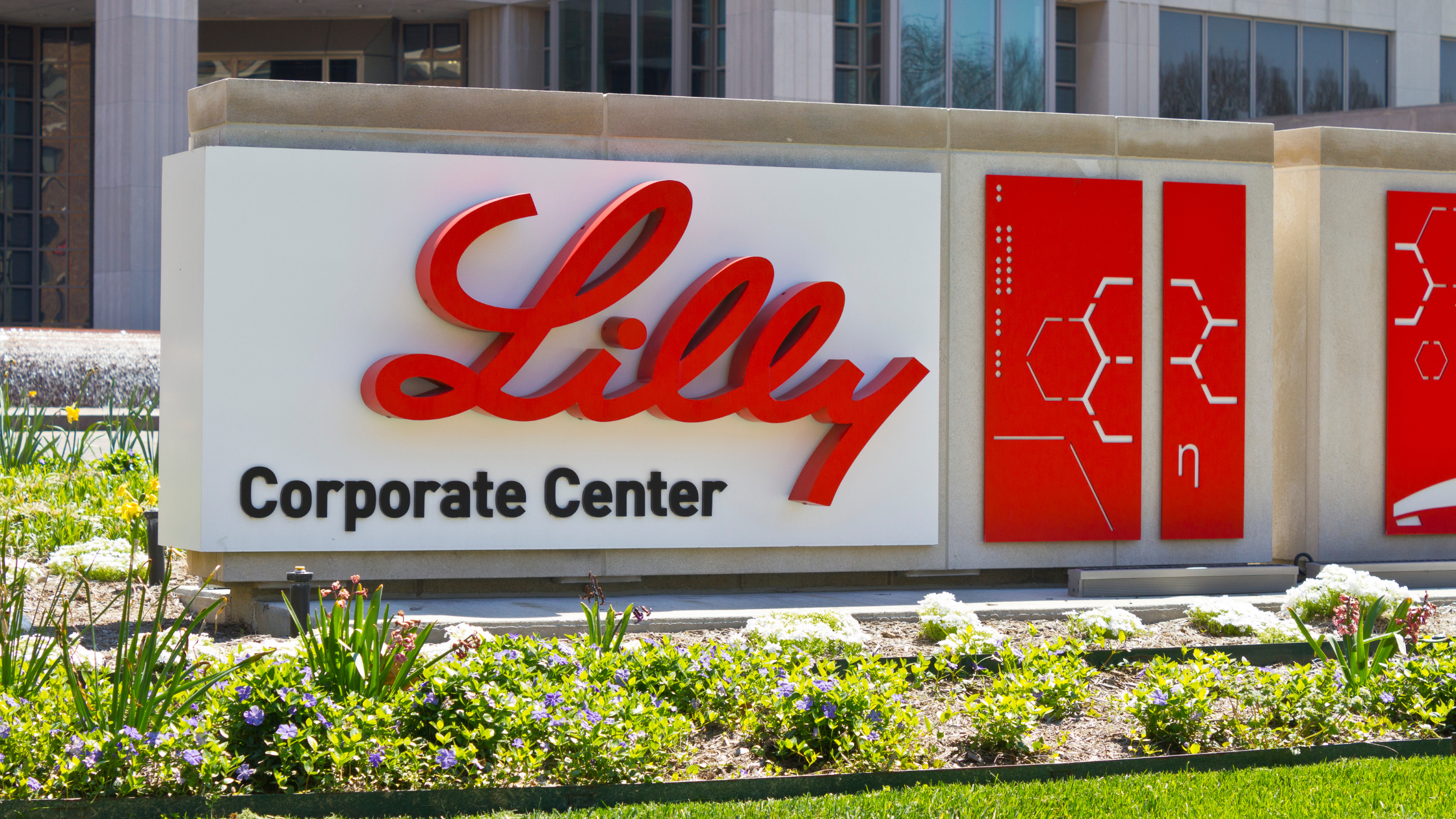
That shift became impossible to ignore this month when Eli Lilly announced one of the largest psychedelic medicine acquisitions in history. For years, psychedelic biotechnology was viewed as a niche industry driven by startups, researchers, and venture capital. Today, it has become a legitimate target for Big Pharma.
For patients, researchers, investors, and advocates, this moment represents something much larger than a corporate acquisition. It signals that psychedelic-assisted therapies are rapidly moving from the fringes of medicine toward the mainstream.
Eli Lilly Makes Its Move
Eli Lilly recently announced it will acquire psychedelic drug developer AtaiBeckley in a deal valued at up to $3.8 billion. The acquisition gives Lilly access to BPL-003, an investigational intranasal psychedelic therapy currently being studied for treatment-resistant depression.
The significance of the acquisition extends far beyond one experimental drug.
Lilly is one of the largest pharmaceutical companies in the world. Companies of this size rarely make multi-billion-dollar acquisitions unless they believe an entirely new therapeutic category is emerging.
For years, companies like Compass Pathways, Beckley Psytech, atai Life Sciences, GH Research, and others have carried the psychedelic medicine industry forward. Now, one of Big Pharma’s biggest names has entered the race.
Why This Matters
The global mental health crisis continues to worsen.
Millions of people live with:
- Major depressive disorder
- Treatment-resistant depression
- PTSD
- Anxiety disorders
- Substance use disorders
While traditional antidepressants have helped many people, they often:
- Take weeks to begin working
- Must be taken daily
- Produce unwanted side effects
- Fail to help a significant percentage of patients
Researchers believe psychedelic-assisted therapies may represent an entirely different treatment model.
Rather than treating symptoms indefinitely, many psychedelic therapies are being designed around a limited number of supervised treatment sessions combined with psychotherapy.
Although these treatments remain investigational, early clinical research has generated tremendous excitement across psychiatry.
CNBC: Psychedelic Medicine Is Reaching a Turning Point
A recent CNBC feature highlights how psychedelic medicine has reached a new level of credibility among investors, researchers, physicians, and pharmaceutical companies.
According to the report, several factors are accelerating the industry’s momentum:
- Increased federal interest in psychedelic research
- Growing private investment
- Improved understanding of the neuroscience behind psychedelic compounds
- Expanding clinical trial data
- Major pharmaceutical companies entering the space
The conversation surrounding psychedelics has shifted dramatically over the past decade.
Instead of asking whether these compounds have medical potential, researchers are increasingly focused on identifying which patients may benefit, how treatments should be delivered, and what regulatory pathways will look like.
Why Other Pharmaceutical Companies May Follow
Industry analysts believe Lilly’s acquisition may only be the beginning.
Large pharmaceutical companies face a common challenge: many blockbuster drugs eventually lose patent protection, creating pressure to develop new treatments and therapeutic categories.
Psychedelic medicine offers several attractive opportunities:
Huge Unmet Need
Mental health disorders affect hundreds of millions of people worldwide, and many patients continue to struggle despite currently available medications.
Strong Scientific Momentum
Over the past several years, clinical trials involving psilocybin, MDMA, ketamine-derived medicines, and other psychedelic compounds have produced encouraging results for multiple psychiatric conditions.
While additional research is still needed, the evidence supporting continued investigation continues to grow.
New Business Opportunities
If psychedelic-assisted therapies receive regulatory approval, they could create entirely new treatment markets involving:
- Specialized treatment centers
- Physician training
- Therapy protocols
- Digital patient monitoring
- Companion healthcare services
The opportunity extends well beyond simply manufacturing medication.
A Shift in Public Perception
Not long ago, many major corporations avoided any association with psychedelic research.
Today, the opposite appears to be happening.
Institutional investors are funding psychedelic biotechnology.
Major universities are opening dedicated psychedelic research centers.
Government agencies are expanding research efforts.
And now multinational pharmaceutical companies are committing billions of dollars to the field.
The stigma surrounding psychedelic science continues to diminish as clinical evidence accumulates.
Important Reality Check
Despite the growing excitement, it’s important to separate headlines from current clinical reality.
Most psychedelic medicines remain investigational.
Many are still progressing through Phase II or Phase III clinical trials.
Before becoming widely available, these therapies must demonstrate safety and effectiveness through the FDA approval process.
Clinical success is never guaranteed, and not every psychedelic drug candidate currently in development will ultimately reach patients.
What This Means for the Future
Whether or not every current psychedelic therapy succeeds, one trend is becoming increasingly clear:
Psychedelic medicine is no longer a fringe area of biomedical research.
When one of the world’s largest pharmaceutical companies commits billions of dollars to the space, it signals confidence that these therapies may become an important part of future mental healthcare.
For researchers, this could mean increased funding.
For clinicians, it may lead to new treatment options.
For patients living with difficult-to-treat mental health conditions, it offers cautious optimism that additional therapies may eventually become available.
Learn Euphoria’s Perspective
At Learn Euphoria, our mission has always been Legalization Through Education.
We believe the growing acceptance of psychedelic medicine demonstrates why science-based education matters. As research expands and public interest continues to grow, it’s increasingly important to separate evidence from hype.
The future of psychedelic medicine won’t be built on headlines alone—it will be built on rigorous clinical research, responsible policy, thoughtful education, and informed conversations.
Big Pharma has officially entered the psychedelic era.
The next chapter is just beginning.


You must be logged in to post a comment.