
Colorado Begins Licensing Psilocybin Mushroom Businesses: A New Era for Psychedelic Wellness


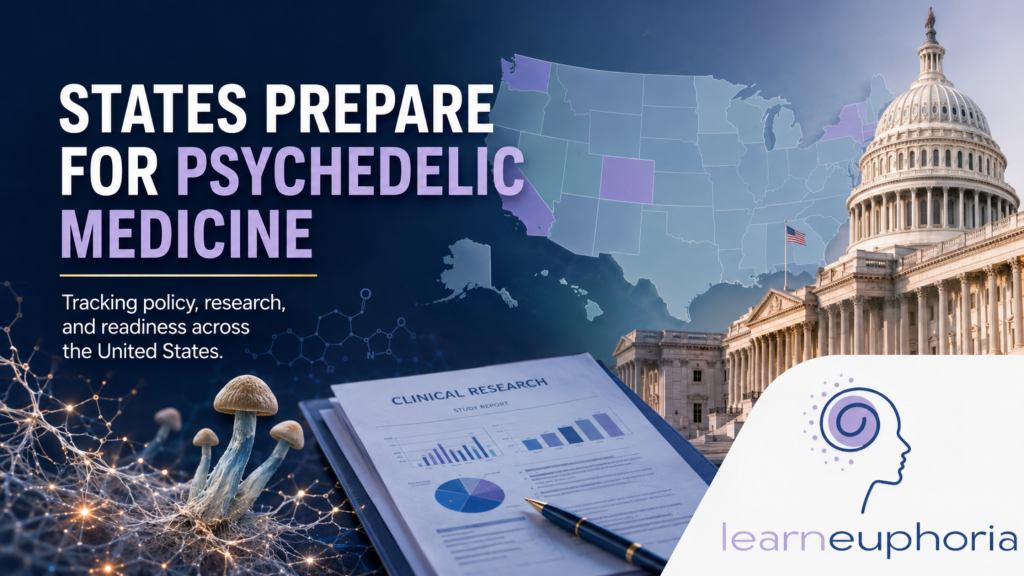
Colorado has officially entered the next phase of its psychedelic renaissance. In a groundbreaking move that builds on the state’s progressive track record, regulators have begun issuing licenses for businesses to cultivate, manufacture, and administer psilocybin mushrooms legally. This marks a significant milestone in the implementation of Proposition 122—also known as the Natural Medicine Health Act—which voters approved in November 2022.
What the New Licenses Mean
Under the new regulatory framework, select businesses can now apply for and receive licenses to operate within Colorado’s newly formed Natural Medicine program. These licenses allow for:
-
Psilocybin cultivation: Growing psychedelic mushrooms under strict guidelines.
-
Manufacturing and processing: Turning mushrooms into regulated therapeutic products.
-
Healing centers: Offering guided psilocybin sessions in a supervised, therapeutic environment.
-
Facilitator training: Educating future psychedelic guides to safely support individuals during their experiences.
This isn’t your average dispensary rollout. Psilocybin will not be sold over the counter or for recreational use. Instead, Colorado’s approach emphasizes intentional, therapeutic experiences led by trained facilitators in controlled environments.

A Deliberate, Healing-Focused Model
Colorado’s model follows a public health-focused approach to psychedelics. Unlike cannabis, where retail sales are widespread, the state is limiting access to psilocybin through state-licensed healing centers. These centers will work with adults 21 and over who voluntarily seek psilocybin experiences for personal growth, mental health, or spiritual reasons.
The goal is to create safe, structured environments where people can work with psilocybin in ways that are informed, respectful, and healing. Sessions will be facilitated by licensed professionals who have undergone specialized training.
Who’s Getting Licensed?
As of March 2025, several businesses have already received preliminary approval to begin operations. The first wave includes entrepreneurs, nonprofits, and wellness collectives—many of whom have deep roots in the psychedelic advocacy and mental health communities.
Among the early licensees are those focused on:
-
Holistic therapy centers looking to integrate psilocybin with other forms of mental health care.
-
Cultivators who have experience growing medicinal mushrooms and understand the importance of quality and consistency.
-
Training organizations committed to building an ethical and inclusive workforce of psychedelic facilitators.
This licensing rollout is just the beginning, but it sets the stage for Colorado to become a national leader in psychedelic therapy.
What’s Next?
With the first licenses issued, the focus now shifts to implementation. Healing centers will begin opening their doors later this year, and trained facilitators will start guiding individuals through legal psychedelic journeys.
Meanwhile, state regulators will continue monitoring the program to ensure safety, efficacy, and equity. Colorado’s experiment could shape how other states approach psychedelics, especially as the nation grapples with mental health crises and searches for alternative treatments.
A Psychedelic Future?
Colorado’s careful, health-oriented rollout of psilocybin mushrooms shows how seriously the state is taking this powerful natural medicine. Rather than rushing to capitalize on a new market, Colorado is prioritizing healing over hype—a model that could redefine how society interacts with psychedelics.
If successful, the Natural Medicine program could pave the way for a future where mushrooms aren’t just tolerated, but embraced as tools for transformation.



You must be logged in to post a comment.