
How Psychedelics Can Make Someone a Better Atheist

At first glance, psychedelics and atheism seem like an odd pairing. Psychedelics are often associated with mystical experiences, spiritual revelations, and encounters with the “divine.” Atheism, on the other hand, is typically grounded in skepticism, materialism, and a rejection of supernatural claims.
Yet for many people, psychedelic experiences don’t weaken atheism—they refine it. They can make someone a better atheist: more intellectually honest, more emotionally grounded, and more open to awe without surrendering critical thinking.
This isn’t about converting skeptics into believers. It’s about how altered states of consciousness can strengthen a non-theistic worldview.
Atheism Isn’t the Absence of Wonder
One common misconception is that atheism equals nihilism or emotional flatness. In reality, many atheists already find meaning in science, nature, art, and human connection.
Psychedelics don’t invent wonder where none existed—they intensify it.
Under substances like psilocybin or LSD, people often report overwhelming feelings of awe, interconnectedness, and humility. But these experiences don’t require a supernatural explanation. In fact, they often point in the opposite direction: toward the astonishing complexity of the human brain and the natural world.
Instead of “I met God,” the takeaway can be:
“My brain is capable of generating experiences this profound.”
For an atheist, that realization can deepen respect for biology, evolution, and consciousness itself.
Mystical Experiences Without Metaphysics
Researchers have long noted that psychedelics can produce experiences that feel mystical—ego dissolution, timelessness, unity, and meaning. Philosopher and psychologist William James famously described mystical experiences as noetic (felt as deeply meaningful), even if they aren’t literally true.
Psychedelics allow atheists to separate experience from explanation.
You can acknowledge:
- The experience felt sacred
- The emotions were real
- The insights were psychologically powerful
…without concluding that a god, spirit, or external intelligence caused them.
This distinction—between subjective meaning and objective claims—is a cornerstone of good atheism.
The Death of the Ego, Not the Birth of a Deity
One of the most commonly reported psychedelic effects is “ego death”—a temporary dissolution of the sense of self. Many religious interpretations frame this as union with God or the cosmos.
Atheistic interpretations often land elsewhere.
From a materialist perspective, ego death highlights that:
- The “self” is a mental construct
- Identity is flexible, not fixed
- Consciousness is layered and modular
Rather than reinforcing belief in an eternal soul, psychedelics can expose how provisional and constructed the self really is. That insight aligns comfortably with neuroscience and evolutionary psychology.

Better Skepticism Through First-Person Data
Atheists often value evidence, but evidence doesn’t only come from microscopes and telescopes. First-person experience—while not proof of metaphysical claims—is still data.
Psychedelics give skeptics a rare opportunity:
to study their own mind under radically altered conditions.
This can make someone a better atheist by:
- Increasing intellectual humility (“My perceptions aren’t always reliable”)
- Strengthening epistemic caution (“Feeling true isn’t the same as being true”)
- Reinforcing the need for frameworks like neuroscience and psychology
Ironically, people who’ve had intense psychedelic experiences often become more careful about extraordinary claims, not less.
Meaning Without Myth
One of the hardest questions atheism faces is not “Is there a god?” but “How do we live meaningfully if there isn’t?”
Psychedelics can help answer that without invoking myth.
Many users report:
- Greater empathy
- Reduced fear of death (without belief in an afterlife)
- A stronger commitment to ethical behavior
- A deeper appreciation for life’s fragility
None of these require belief in divine reward or punishment. Meaning becomes something created, experienced, and shared—not handed down from above.
A Naturalistic Sense of the Sacred
Some atheists come out of psychedelic experiences using words like sacred, holy, or spiritual—but with a twist. These terms are reclaimed as descriptions of emotional intensity, not metaphysical truth.
The “sacred” becomes:
- Nature, because it exists at all
- Consciousness, because it’s fragile and rare
- Human connection, because it’s finite
This is not religion in disguise. It’s reverence without revelation.
Conclusion: Psychedelics Don’t Create Belief—They Test It
Psychedelics don’t force atheists to abandon skepticism. They challenge them to apply it consistently—even to their own most profound experiences.
In that sense, psychedelics can make someone a better atheist by:
- Separating awe from authority
- Meaning from myth
- Experience from explanation
They remind us that you don’t need a god to feel small, grateful, connected, or alive.
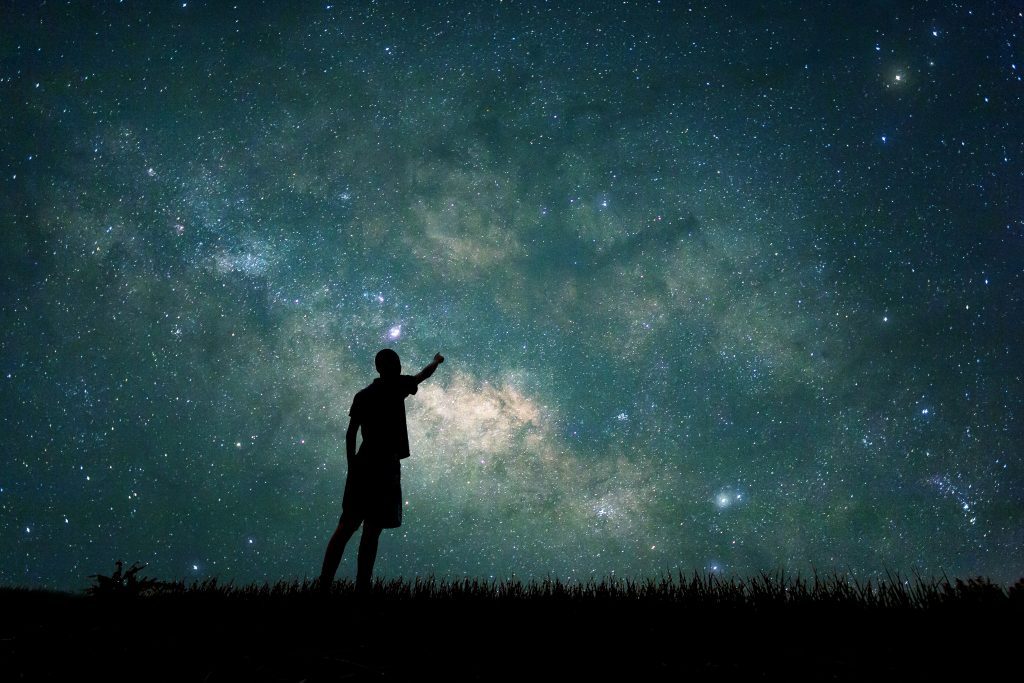
Sometimes, understanding the brain is more awe-inspiring than imagining the heavens.



You must be logged in to post a comment.