
The Psychedelic Origins of Christmas: How Mushrooms Shaped Winter Mythology


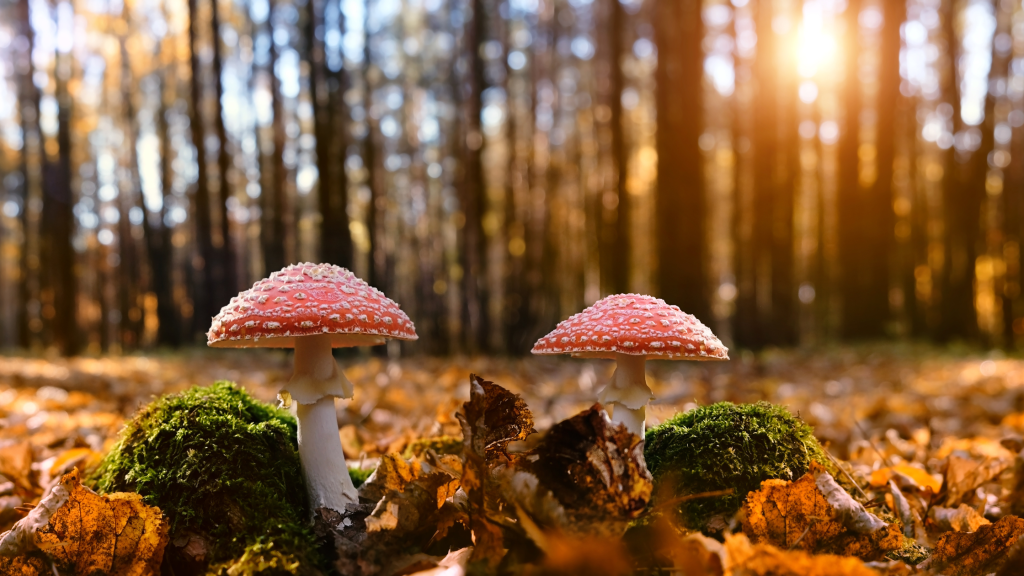
Every December, we surround ourselves with iconic Christmas imagery—evergreen trees, flying reindeer, a jolly red-clad gift-giver descending chimneys. These symbols feel timeless, but many historians, anthropologists, and ethnomycologists argue that the roots of these traditions may reach far deeper than Victorian holiday cards. In fact, some of the most recognizable elements of Christmas appear to be connected to psychedelic mushrooms, especially the vibrant red-and-white Amanita muscaria.
While Learn Euphoria focuses on education, safety, and modern legal pathways such as Non-Detect Tryptamines, it’s impossible to ignore the fascinating cultural history of mushrooms and how they may have influenced the mythology we still celebrate today.
The Reindeer, the Shaman, and the Fly Agaric
In Siberia and across parts of Northern Europe, Indigenous shamanic cultures have used Amanita muscaria mushrooms for centuries in winter solstice rituals. These tribes—such as the Evenki and Koryak—viewed the mushroom as a spiritual bridge between worlds.
Several striking connections emerge:
Reindeer and Mushrooms
Reindeer in these regions are known to actively seek out Amanita muscaria. They eat the mushroom and display behavior that observers describe as euphoric, energetic, and at times “flying” or leaping wildly. Shamans reportedly followed herds to find mushrooms—linking reindeer and Amanita in both ecology and mythology.
Shamans as the Original Santa Figures
Traditional Siberian shamans:
-
Wore red-and-white clothing reminiscent of the mushroom itself
-
Collected Amanita muscaria during winter solstice ceremonies
-
Entered yurts or homes through smoke holes (the origin of the “chimney” motif)
-
Delivered dried mushrooms as gifts for spiritual healing and celebration
On the darkest day of the year, these figures brought light, transformation, and connection—much like the Santa archetype we know today.
Why the Christmas Tree Looks the Way It Does
Another compelling connection is the placement of the red-and-white mushroom beneath evergreen trees. Amanita muscaria grows symbiotically under pines and spruces, making these mushrooms a natural part of the winter forest floor.
Some theories suggest that:
-
Early solstice traditions decorated evergreens to honor the spirits of the forest
-
The iconic red ornaments under the tree may reflect the mushrooms themselves
-
The star or guiding symbol atop the tree echoes shamanic cosmology
While not definitive, the parallels are too consistent to ignore.
The Gift of Vision, Healing, and Renewal
Winter solstice ceremonies were designed to restore balance during the darkest, coldest time of year. The shamanic use of Amanita muscaria was not recreational—it was spiritual, medicinal, and deeply ritualistic.
Themes of:
-
Rebirth
-
Inner light
-
Forgiveness
-
Community unity
-
Connection to nature
mirror the aspirational values embedded in today’s holiday season.
Whether one takes these connections literally or symbolically, the idea that ancient entheogenic traditions shaped modern Christmas imagery is both thought-provoking and inspiring.
Modern Psychedelic Research and a Return to the “Light”
Today, global interest in psychedelics has re-emerged—not as holiday folklore, but as legitimate therapeutic tools for mental health. Research into psilocybin, Non-Detect Tryptamines, and other compounds is exploring:
-
Depression relief
-
Anxiety and trauma reduction
-
Greater sense of connection and meaning
-
Cognitive flexibility
-
Emotional resilience
In many ways, the modern psychedelic renaissance echoes the solstice rites of old—using nature’s tools to bring clarity, warmth, and transformation during dark times.
At Learn Euphoria, we advocate for safe, legal, and responsible education about these substances, honoring the past while building a clearer future.
A Mythology That Still Matters
Whether Santa was inspired by a mushroom-loving shaman is ultimately less important than what the story reveals: humans have always sought ways to reconnect, reflect, and renew themselves during winter.
Understanding the psychedelic roots of our holiday symbols invites us to view Christmas with fresh eyes. It’s a reminder that:
-
The world’s traditions are interconnected
-
Nature has always guided human spirituality
-
And the search for meaning is universal
Just as ancient cultures used sacred mushrooms to navigate the darkest time of year, many people today look for natural, mindful tools to support wellness, clarity, and community.
In that sense, the psychedelic origins of Christmas are not merely folklore—they are a reflection of humanity’s oldest desire: to find light in the darkness.



You must be logged in to post a comment.