
Unveiling the Enigma: Amanita Muscaria in the 1799 London Journal of Medicine and Physics

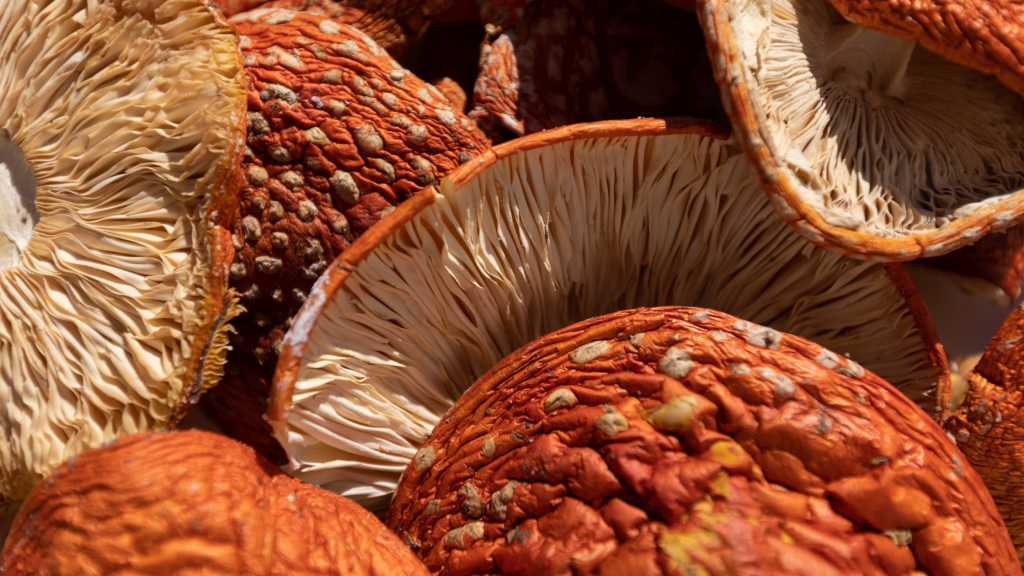
In the annals of medical literature, the year 1799 stands as a turning point, marked by the first mention of hallucinogenic mushrooms in the prestigious London Journal of Medicine and Physics. At the heart of this revelation was the mysterious Amanita muscaria, a vividly colored fungi with a long history of cultural and spiritual significance. This groundbreaking article not only shed light on the effects of these curious mushrooms but also ignited a spark of curiosity that would shape the trajectory of psychedelic research for centuries to come.
The London Journal of Medicine and Physics, a bastion of Enlightenment-era scientific thought, published an account detailing the experiences of individuals who had ingested Amanita muscaria. The vivid depictions of altered states of consciousness captured the imagination of the medical community, opening a portal into the uncharted territories of psychoactive substances. During this era, the understanding of the mind and its relationship with nature was evolving, and the revelation of hallucinogenic properties within these mushrooms added a layer of complexity to the scientific discourse of the time.
The article, written against the backdrop of a society steeped in curiosity and intellectual exploration, fueled both intrigue and skepticism. The effects of Amanita muscaria were described with a blend of fascination and caution, as the medical community grappled with the implications of these mind-altering substances. The 1799 mention of Amanita muscaria in the London Journal of Medicine and Physics set the stage for a nuanced discussion on the intersection of medicine, consciousness, and nature, challenging preconceived notions and inspiring future generations of researchers.
As the Enlightenment unfolded, so too did the pursuit of knowledge regarding Amanita muscaria and other psychedelics. The article’s publication served as a catalyst, sparking a renewed interest in the therapeutic potential of these mushrooms and their potential impact on mental health. While the medical community of the time may not have fully comprehended the intricate pharmacology of Amanita muscaria, this historical document remains a testament to the inquisitive spirit of an era that sought to unravel the mysteries of the natural world.
In retrospect, the story of Amanita muscaria in the 1799 London Journal of Medicine and Physics is a captivating chapter in the evolving narrative of psychedelic exploration. It laid the groundwork for subsequent scientific inquiries into the realm of hallucinogenic substances, shaping the discourse around their cultural, medicinal, and psychological implications. Today, as psychedelic research experiences a renaissance, the humble Amanita muscaria remains a symbol of the enduring quest to understand the profound connections between the human mind and the mysteries of the natural world.



You must be logged in to post a comment.